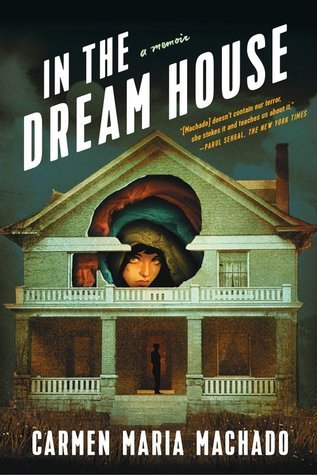
By Carmen Maria Machado
November 5, 2019 • 251 pages
5 Stars
I’ve learned several things from this book. Here are just three.
First, there is no limit to how many times you can and should use the word “cunt.”
Second, “lesbiansim” was once legally incomprehensible–as in a group of men, set in an actual judicial context, logically could not understand how two women could copulate or even have romantic feelings for one another.
Third, no other memoir compares to this one.
We deserve to have our wrongdoing represented as much as our heroism, because when we refuse wrongdoing as a possibility for a group of people, we refuse their humanity. That is to say, queers—real-life ones—do not deserve representation, protection, and rights because they are morally pure or upright as a people. They deserve those things because they are human beings, and that is enough.
Dream House as Queer Villainy
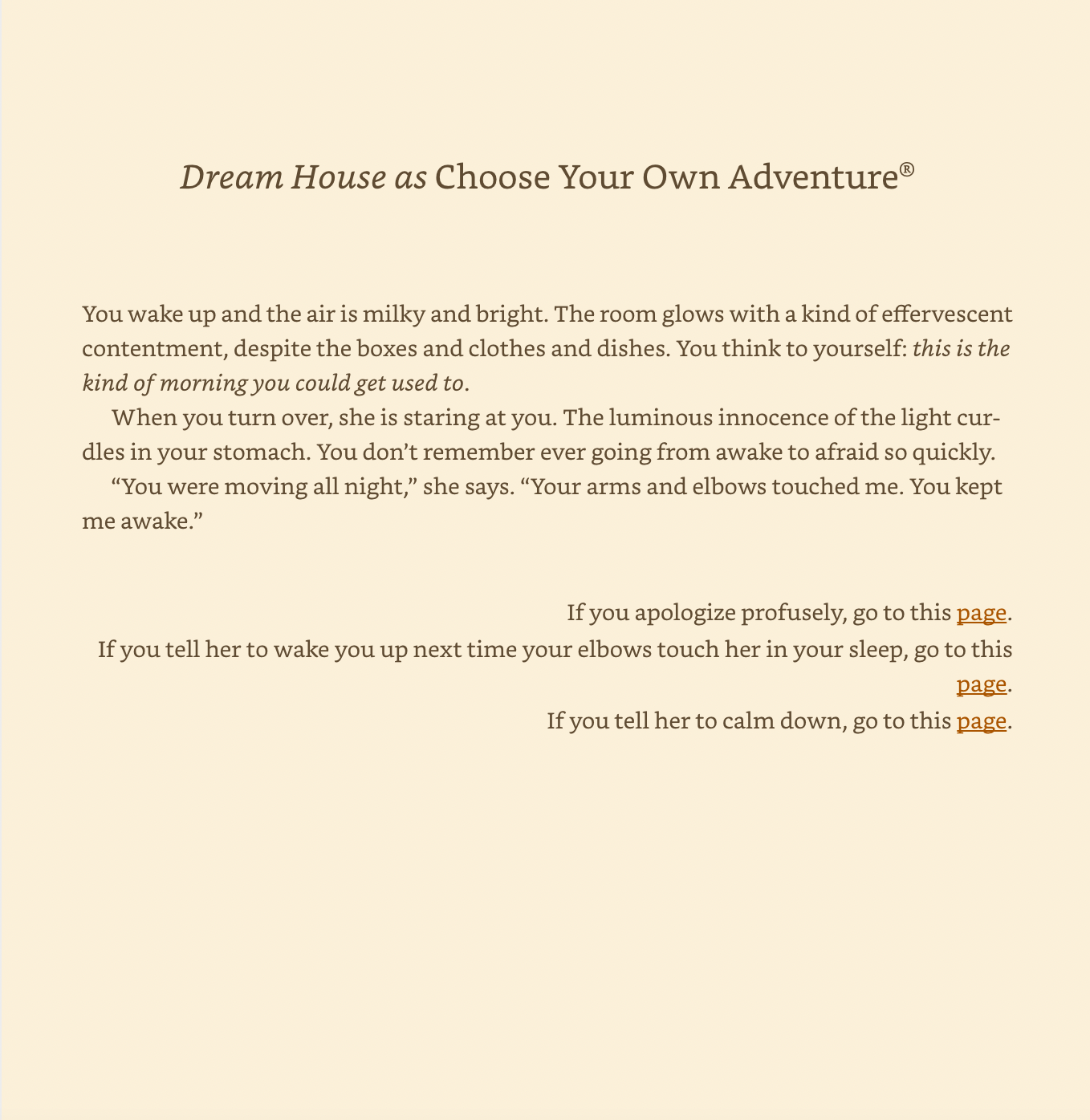
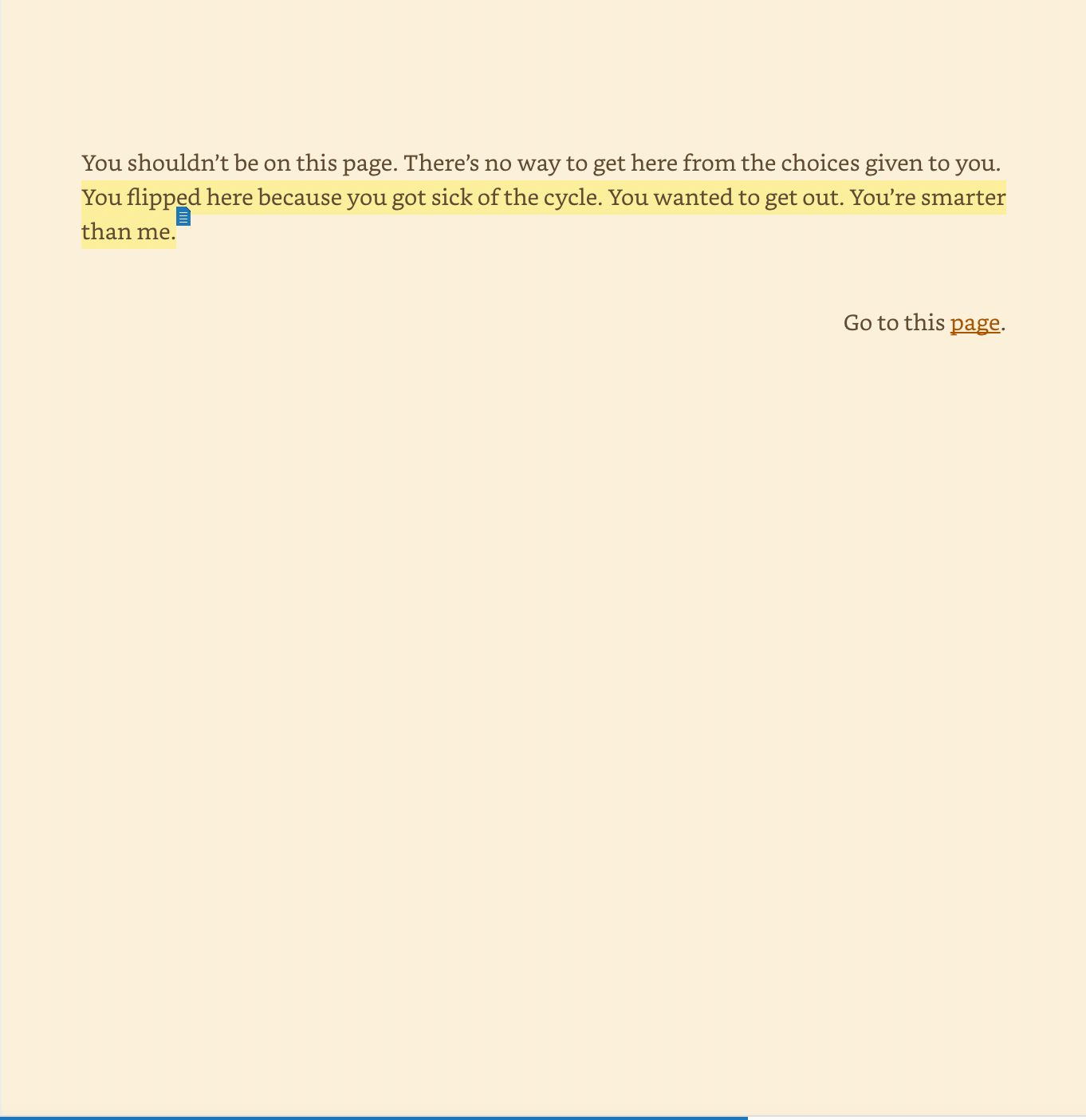
Through deeply provocative and searing prose, Machado immerses you in her journey through a toxic, same-sex relationship. She does not hold back on the lust, the obsession, the shame, the abuse, and the details of every harrowing interaction with the Dream House. Each section is wonderfully articulated and expressed in its own unique fashion. For instance, one section is a “Choose Your Own Adventure,” which is hilarious and engaging, even though she employs these two techniques throughout the book.
You have always suspected that you are shallow when it comes to desire, and there it was: all of those factors flipped your brain inside out and turned your cunt to pudding. Maybe you were always some kind of hedonist-cum-social climber-cum-cummer and you just never knew it.
Dream House as Confession
Machado writing is poignant, witty, brutal in its honesty, and candid in its retelling of this unsettling chapter of her life; and while you feel entrapped and claustrophobic in the mayhem and incessant whiplash of “I love you” to “You fucking cunt. I fucking hate you,” she never makes you feel hopeless.
There is a Quichua riddle: El que me nombra, me rompe. Whatever names me, breaks me.
Dream House as Folktale Taxonomy
You feel her fear, yet you know she’s on the other side. The side where we not only accept the decaying wallpaper of the Dream House, but we have the bravery to walk out its door and never return.
I cannot recommend this book enough and my review will not do it justice. Many moments of abuse (and love) that she chooses to highlight seem minute and individual to her experience yet they had me turning the mirror on myself, leaving me to question times in my life that once felt lonely but now feel universal.
This book is so unapologetically… real.
You don’t want this memoir in your arsenal. You need it there.
“My tale goes only to here; it ends, and the wind carries it off.” It’s the only true kind of ending. Sometimes you have to tell a story, and somewhere, you have to stop.
Dream House as Ending

 Via Justine De fant
Leave a comment